
⸺ Synova Research
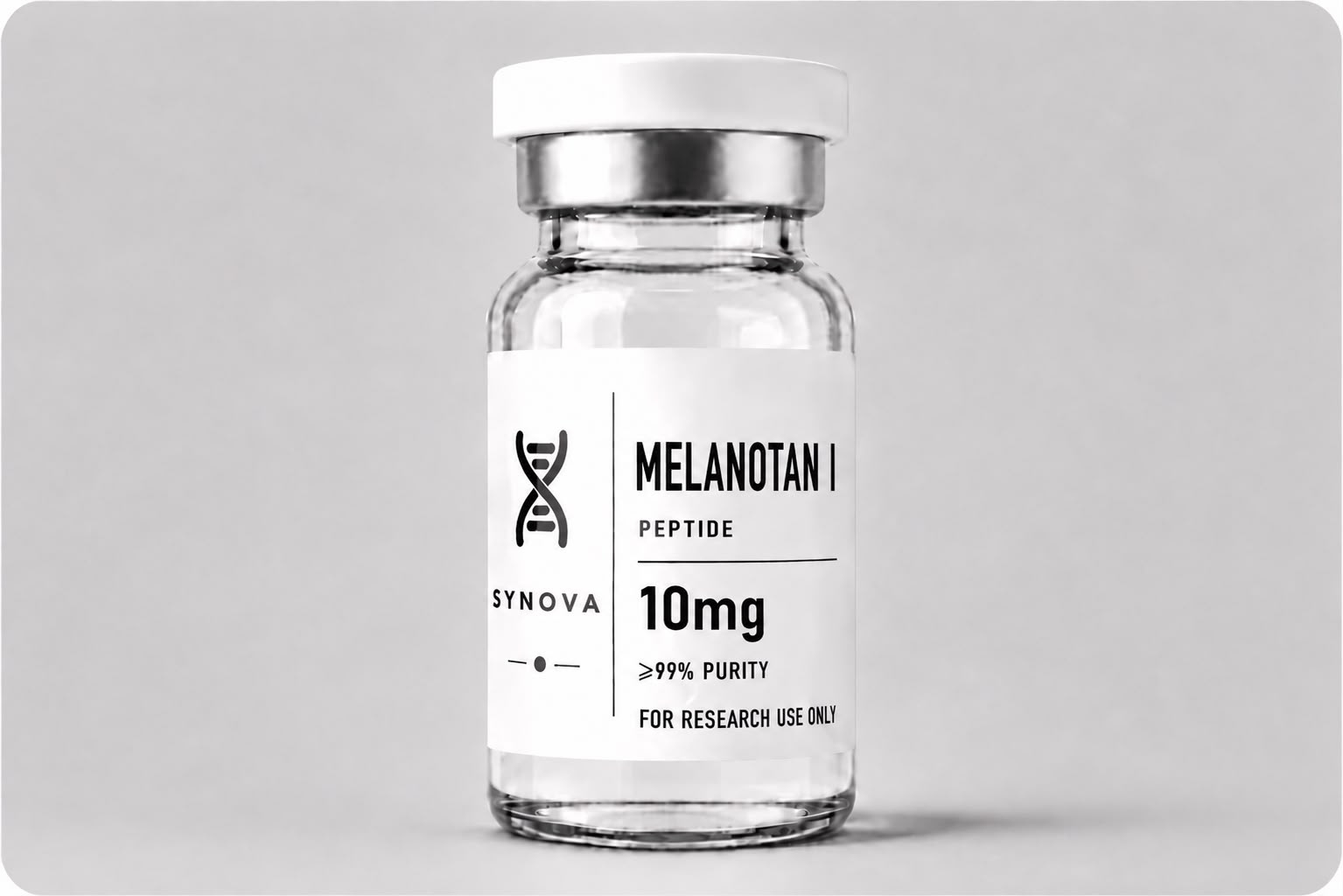
Melanotan I
Synthetic linear analogue of α-MSH studied for selective MC1R activity, melanin synthesis and UV-independent pigmentation pathways.
Secure checkout via UK open banking. Free shipping on orders over £100.
Independently tested
COA on request
Next-day UK dispatch
Order before midnight
Research use only
Not for human consumption
⸺ Important
- • Peptides sold in lyophilized form
- • Strictly for laboratory research
⸺ Overview
About Melanotan I
Melanotan I (afamelanotide) is a synthetic linear analogue of alpha-melanocyte-stimulating hormone (α-MSH) with selectivity for the MC1R melanocortin receptor. Researchers investigate it for melanin synthesis, photoprotective pathways and dermatological models.
⸺ Mechanism of Action
How it works
Melanotan I binds MC1R on melanocytes, stimulating eumelanin synthesis via cAMP signalling. Compared to Melanotan II, it shows greater MC1R selectivity and a longer half-life in animal models, producing sustained pigmentation responses with reduced off-target melanocortin activity.
⸺ Research
Areas of study
Pigmentation pathways
Animal studies show increased eumelanin production in skin and hair following Melanotan I administration, independent of UV stimulation.
Photoprotection models
Preclinical work has examined Melanotan I's role in protecting against UV-induced skin damage.
MC1R signalling
Research explores downstream cAMP signalling at MC1R relevant to dermatological and pigmentation biology.
Summarised from preclinical literature for informational purposes only. Not medical or veterinary advice. Synova Research products are sold strictly for in-vitro and laboratory research.
⸺ Details
Specification
- CAS
- 75921-69-6
- Intended use
- Research use only.
- Storage
- Lyophilised: cool, dry, dark. Reconstituted: refrigerate at 2–8°C.
- Solubility
- Vial holds up to 3mL.
- Shelf life
- Lyophilised: up to 24 months. Reconstituted: 4–6 weeks refrigerated.
- Handling
- Maintain sterile technique.
You might also research
View all →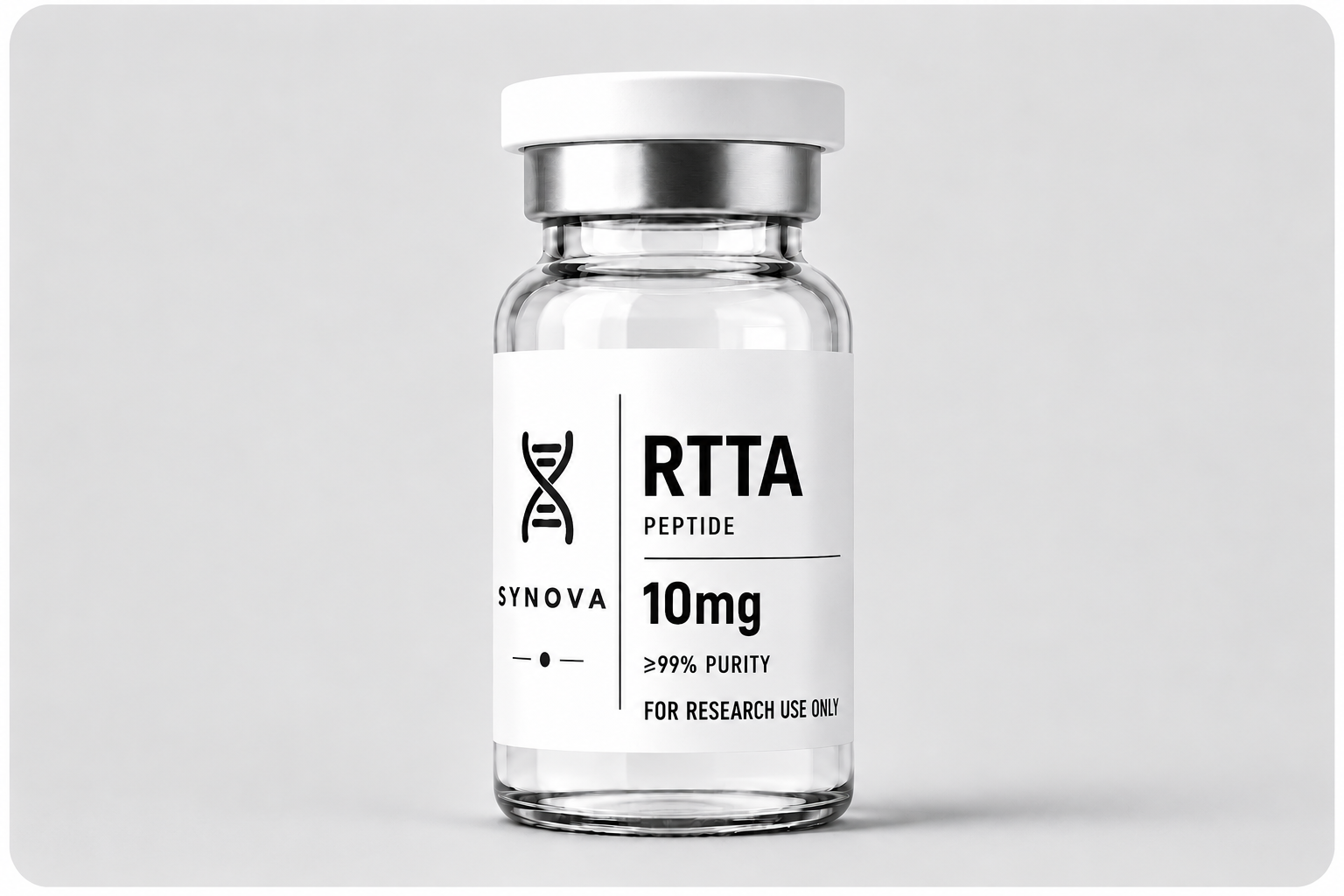
RTTA
Investigational triple receptor agonist targeting GLP-1, GIP and glucagon — studied in animal models for appetite control, energy expenditure and glucose balance.
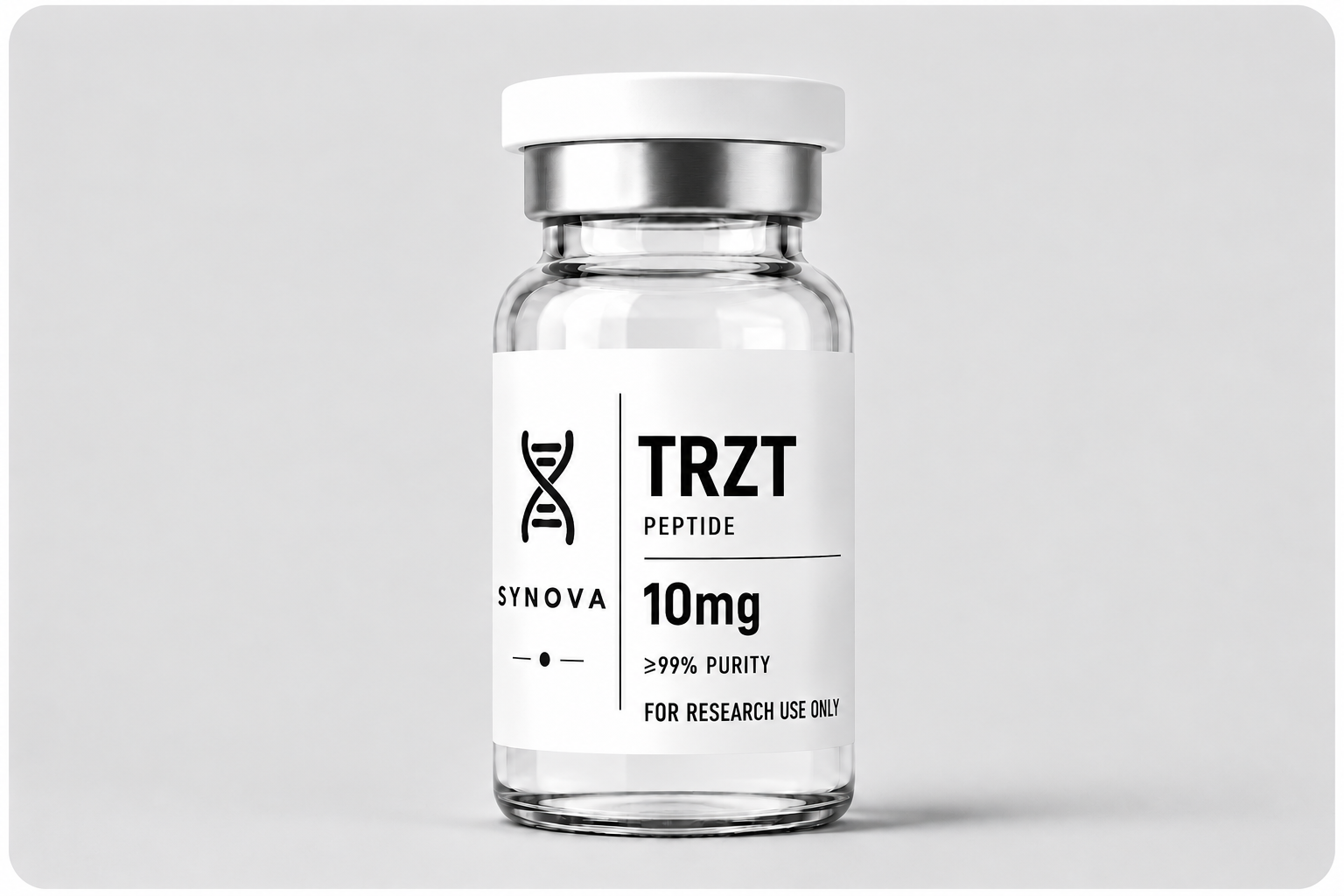
TRZT
Dual GLP-1 and GIP receptor agonist studied in preclinical models for glucose regulation, insulin sensitivity and energy balance.
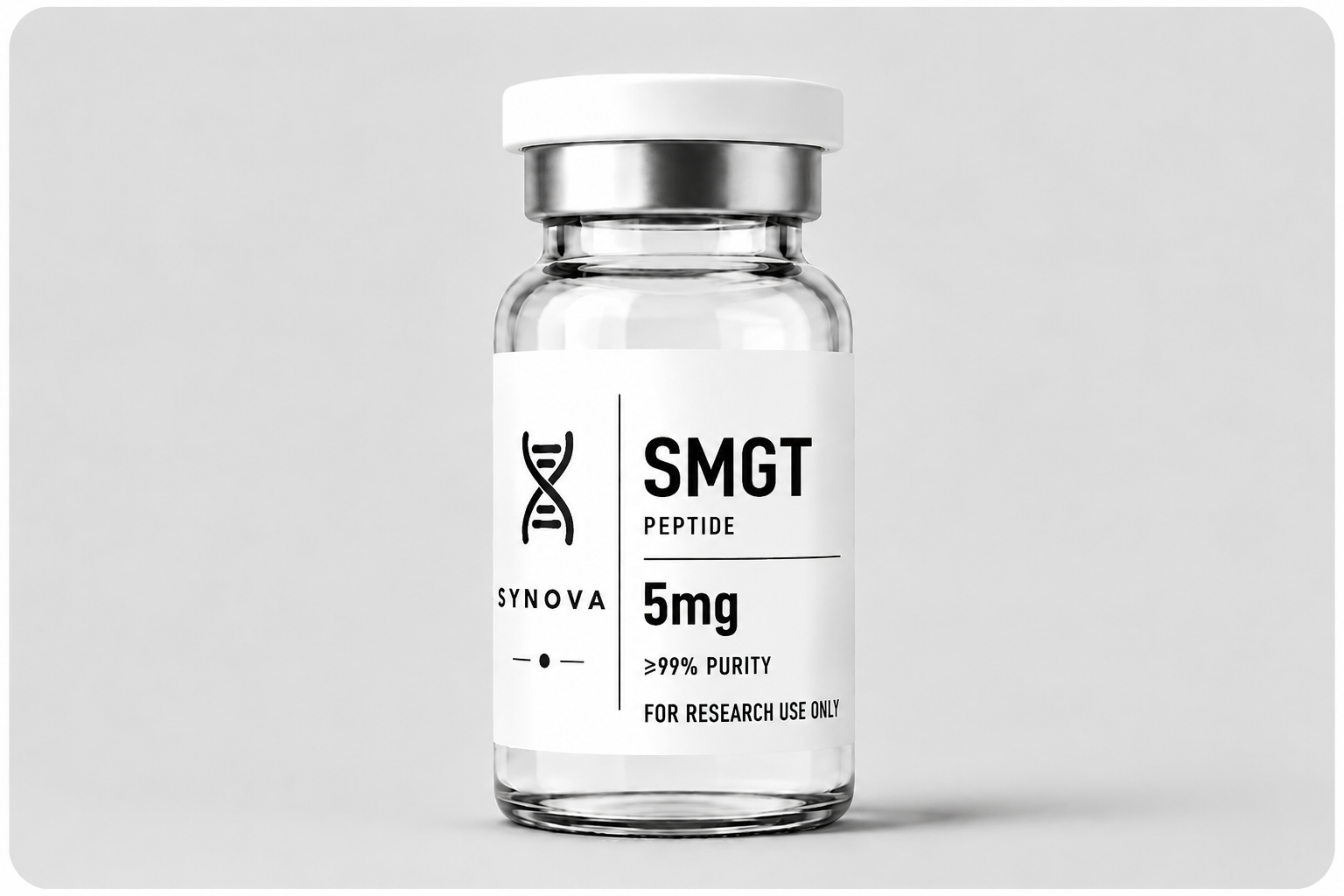
SMGT
Synthetic analogue of the GLP-1 hormone used in research to study glucose regulation, insulin secretion and the incretin response.