
⸺ Synova Research
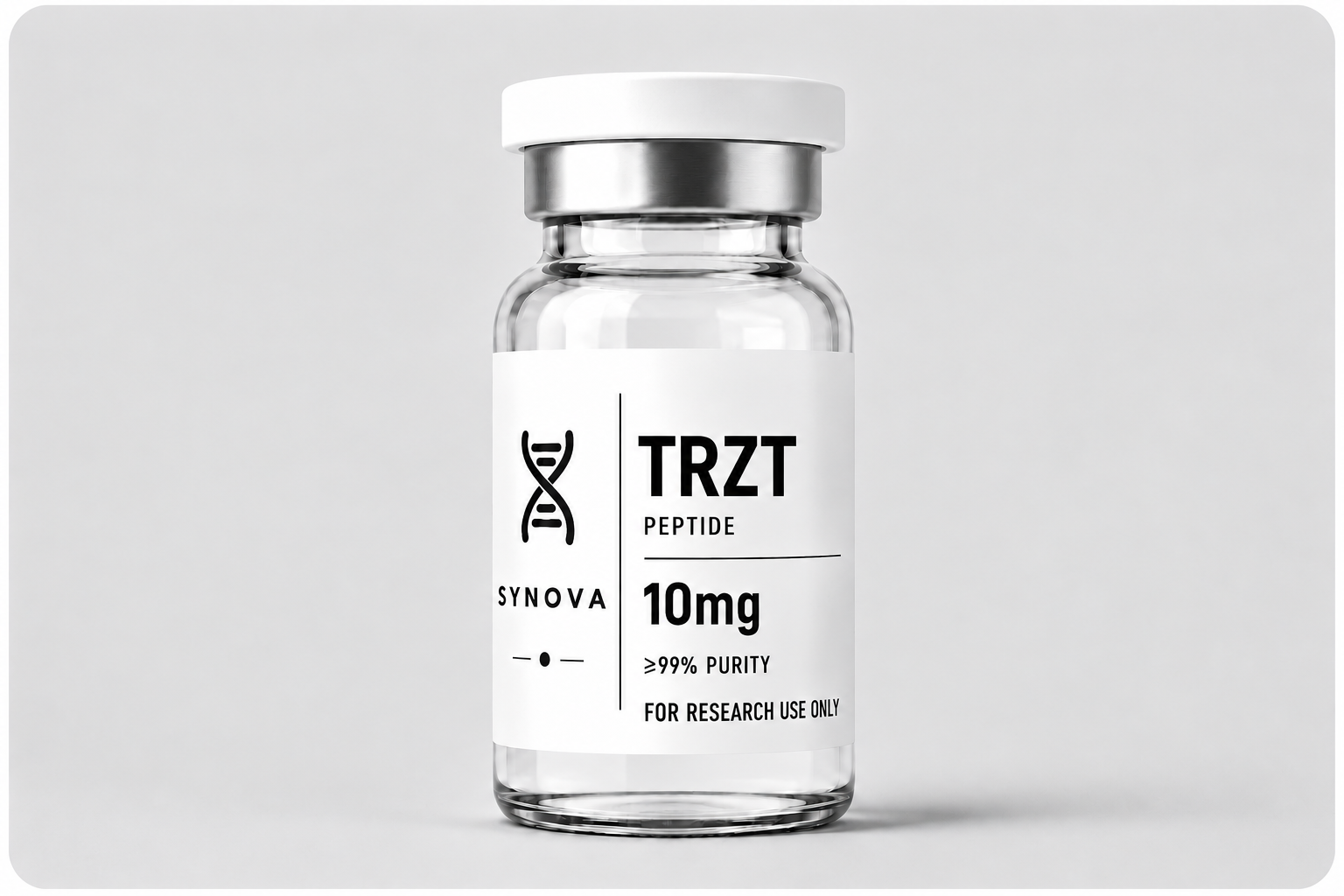
TRZT
Dual GLP-1 and GIP receptor agonist studied in preclinical models for glucose regulation, insulin sensitivity and energy balance.
Size
12 available. Secure checkout via UK open banking.
Independently tested
COA on request
Next-day UK dispatch
Order before midnight
Research use only
Not for human consumption
⸺ Important
- • Peptides sold in lyophilized form
- • Strictly for laboratory research
⸺ Overview
About TRZT
TRZT is a synthetic peptide that simultaneously engages two incretin receptors — GLP-1 and GIP. It is widely used in preclinical research investigating combined incretin signalling, appetite regulation and glucose handling.
⸺ Mechanism of Action
How it works
By binding both GLP-1 and GIP receptors, TRZT amplifies the natural incretin response: it promotes glucose-dependent insulin release from the pancreas, slows gastric emptying and reduces appetite signalling in animal studies. The dual-receptor profile is the focus of much current metabolic research.
⸺ Research
Areas of study
Insulin sensitivity in rodents
Studies in obese rodents show improved insulin sensitivity and glucose tolerance following TRZT administration relative to single-receptor agonists.
Appetite and energy balance
Animal research indicates reduced food intake and altered energy expenditure, supporting investigation into combined GLP-1/GIP pathways for body-composition studies.
Lipid metabolism
Preclinical work has reported changes in circulating lipid markers, motivating further study of incretin co-agonism in metabolic disease models.
Summarised from preclinical literature for informational purposes only. Not medical or veterinary advice. Synova Research products are sold strictly for in-vitro and laboratory research.
⸺ Details
Specification
- CAS
- 2023788-19-2
- Intended use
- For research purposes only.
- Storage
- Store lyophilised vials cool, dry and out of direct sunlight. Refrigerate at 2–8°C once reconstituted.
- Solubility
- Vial holds up to 3mL.
- Shelf life
- Lyophilised: up to 24 months stored correctly. Reconstituted: refrigerate and use within 4–6 weeks.
- Handling
- Use sterile technique throughout.
You might also research
View all →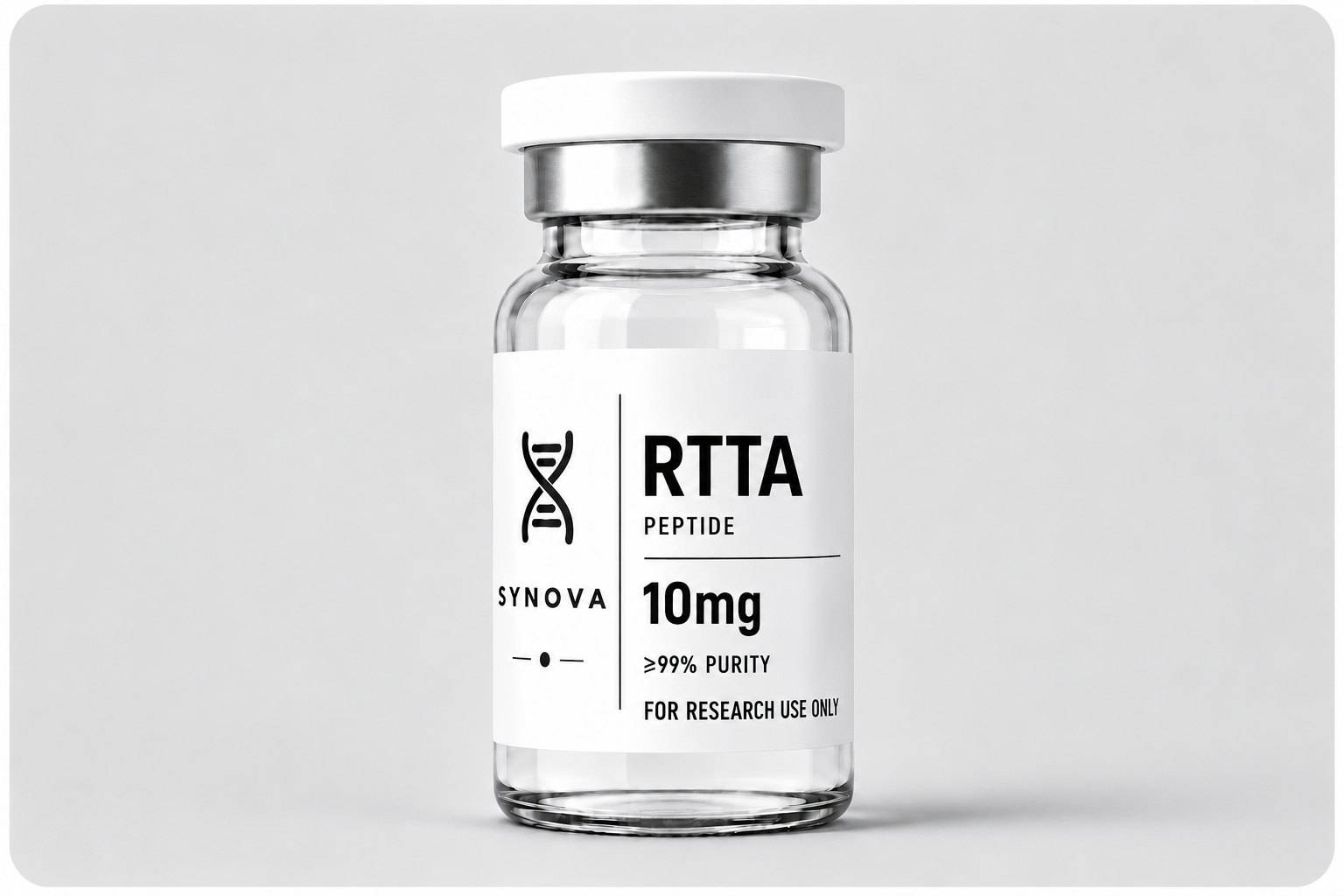
RTTA
Investigational triple receptor agonist targeting GLP-1, GIP and glucagon — studied in animal models for appetite control, energy expenditure and glucose balance.
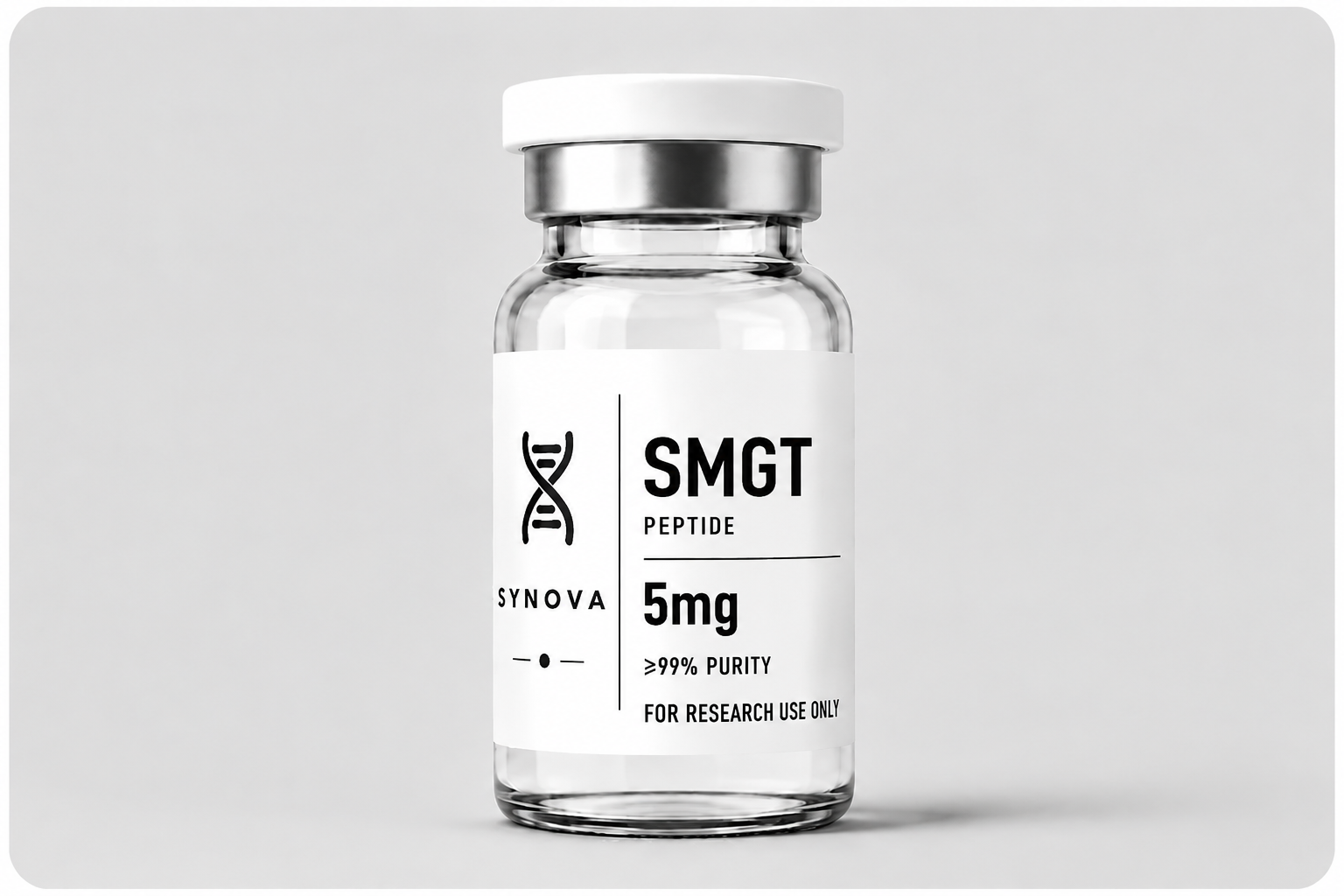
SMGT
Synthetic analogue of the GLP-1 hormone used in research to study glucose regulation, insulin secretion and the incretin response.
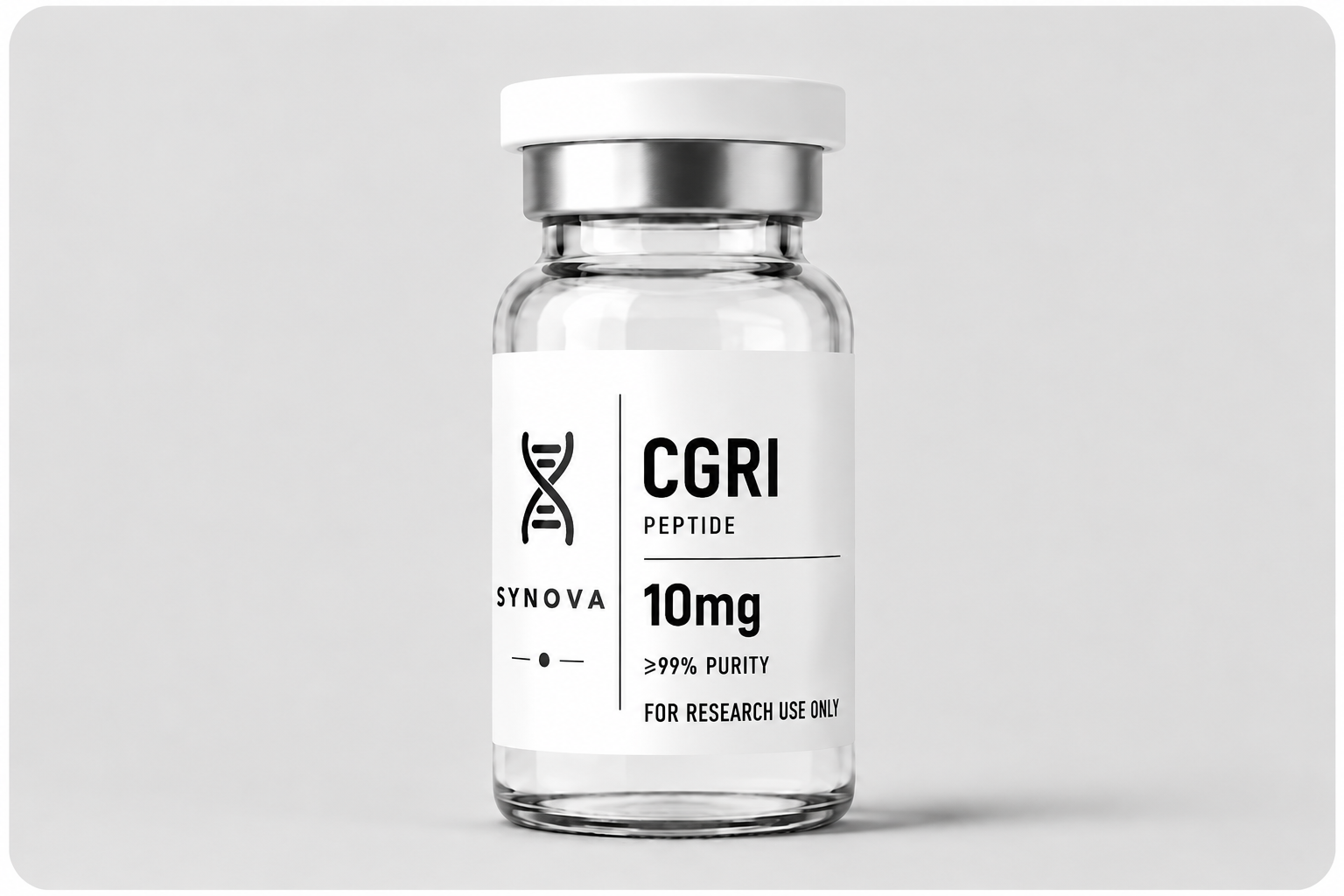
CGRI
Long-acting amylin analogue researched for appetite regulation and weight management, often paired with GLP-1 agonists in metabolic studies.