⸺ Synova Research
Glow GHK-Cu Pre-filled Pen (Alluvi)
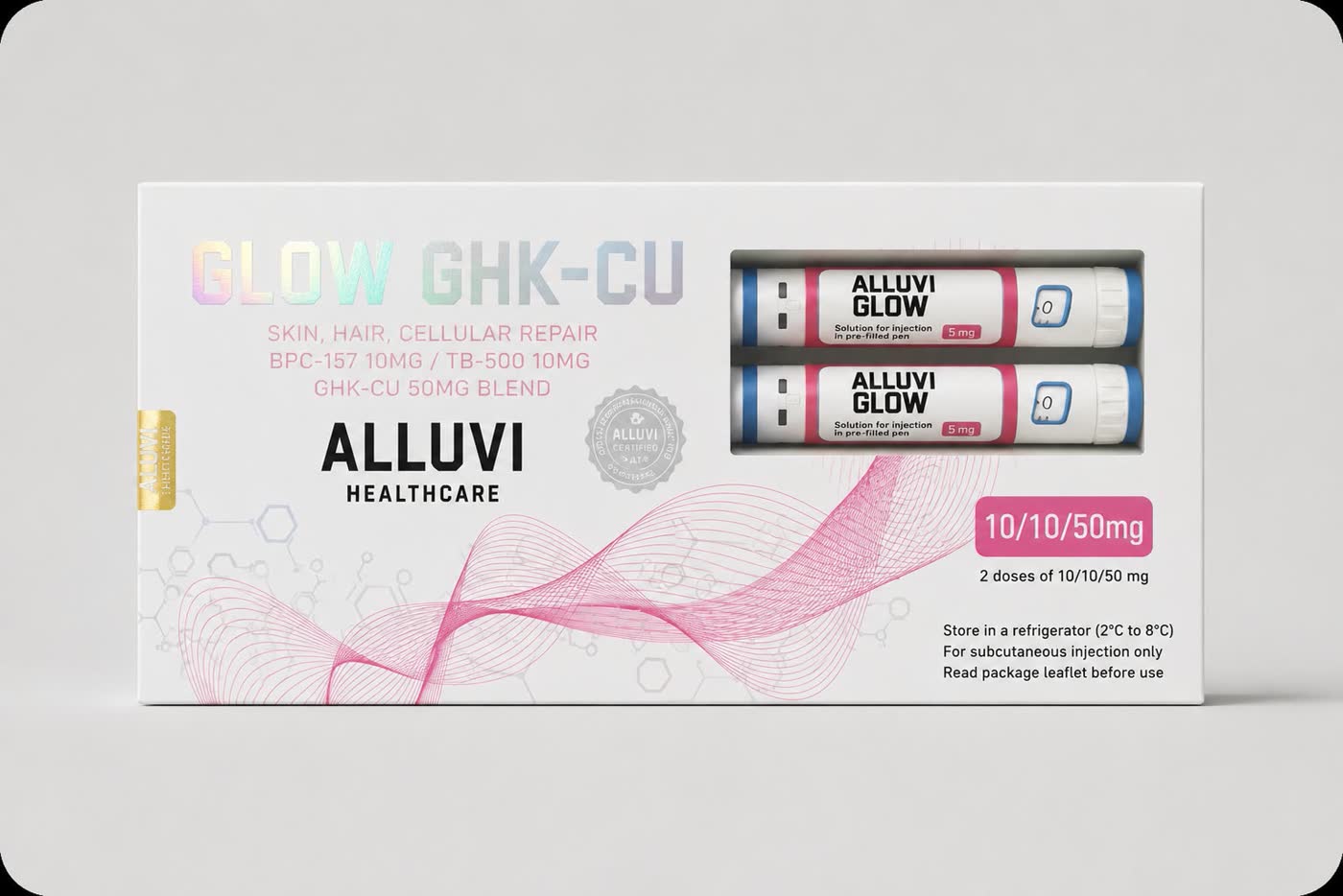
Alluvi Healthcare Glow blend — GHK-Cu, TB-500 and BPC-157 — supplied as a ready-to-use pre-filled pen for skin, hair and cellular repair research.
Secure checkout via UK open banking. Free shipping on orders over £100.
Next-day UK dispatch
Order before midnight
Research use only
Not for human consumption
⸺ Important
- • Strictly for laboratory research
⸺ Overview
About Glow GHK-Cu Pre-filled Pen (Alluvi)
Glow GHK-Cu is a combined pre-filled pen by Alluvi Healthcare pairing GHK-Cu (50mg) with TB-500 (10mg) and BPC-157 (10mg). Each pen contains 2 doses and arrives ready for laboratory use — no reconstitution required. Researchers use it in preclinical studies of skin repair, hair-follicle biology, collagen synthesis and combined recovery pathways.
⸺ Mechanism of Action
How it works
GHK-Cu drives copper-dependent gene expression linked to collagen and elastin synthesis, antioxidant defence and dermal remodelling. TB-500 regulates actin dynamics and cell migration. BPC-157 modulates growth-factor and nitric-oxide signalling involved in tissue protection. Combined, the three peptides target complementary skin, hair and recovery pathways in preclinical models.
⸺ Research
Areas of study
Skin repair and collagen biology
GHK-Cu research shows enhanced collagen and elastin synthesis, accelerated wound closure and improved dermal architecture in preclinical models.
Hair follicle biology
Preclinical work has investigated GHK-Cu's effect on hair-follicle size, hair-growth markers and dermal papilla activity.
Soft-tissue recovery
Animal models with BPC-157 and TB-500 describe improved tendon, ligament and muscle repair, with reduced inflammatory markers at injury sites.
Summarised from preclinical literature for informational purposes only. Not medical or veterinary advice. Synova Research products are sold strictly for in-vitro and laboratory research.
⸺ Details
Specification
- CAS
- Blend — GHK-Cu (89030-95-5) / TB-500 (77591-33-4) / BPC-157 (137525-51-0)
- Intended use
- Research use only. Contains GHK-Cu 50mg, TB-500 10mg and BPC-157 10mg per pen. Supplied as a pre-filled pen.
- Storage
- Store in a refrigerator (2°C to 8°C). Keep in original carton, away from light. For subcutaneous injection only in research models.
- Solubility
- Pre-filled solution for injection. No reconstitution required.
- Shelf life
- Refer to printed expiry on carton. Once first used, follow manufacturer guidance on in-use stability.
- Handling
- Read the package leaflet before use. Use standard sanitisation technique when handling.
You might also research
View all →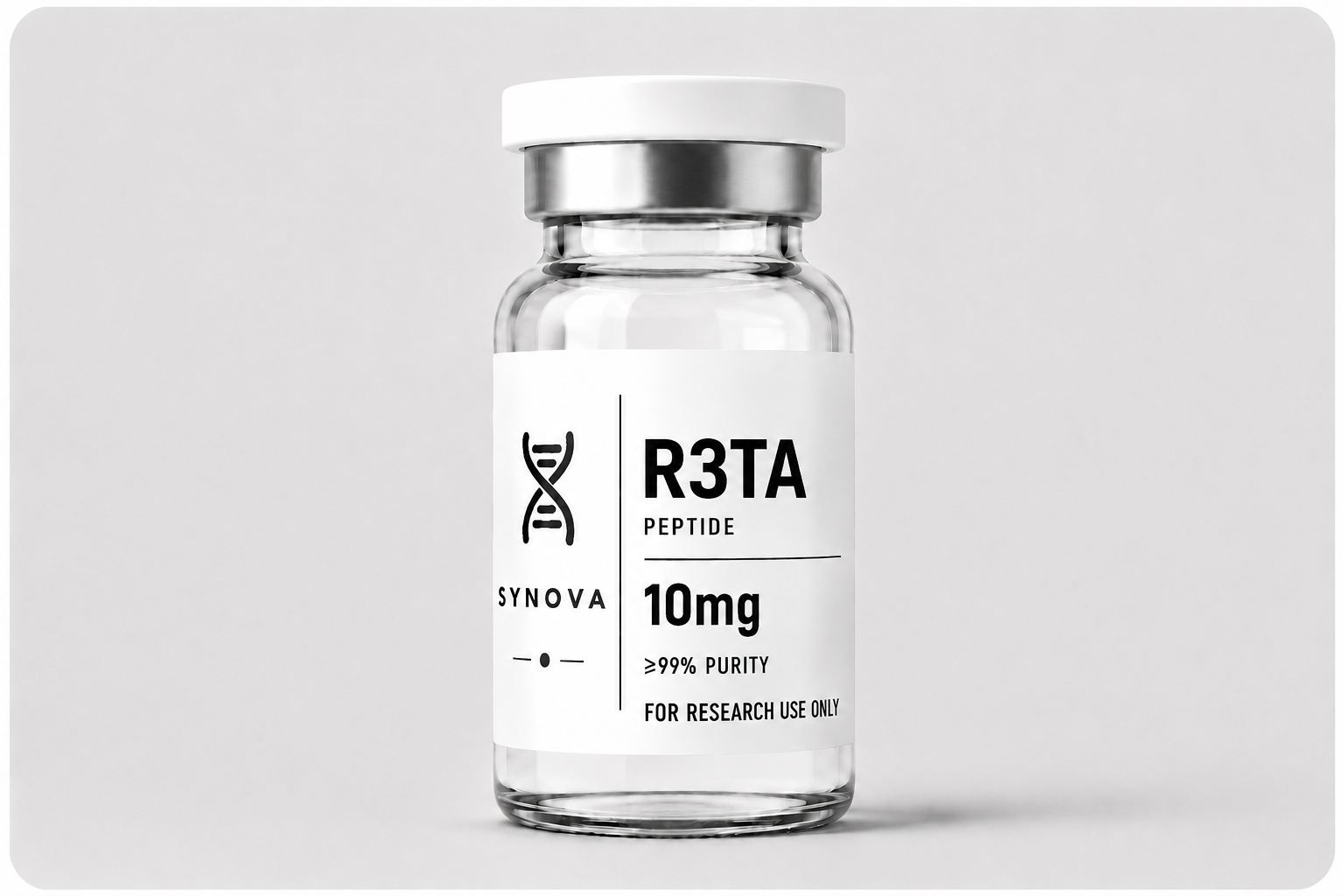
R3TA
Investigational triple receptor agonist targeting GLP-1, GIP and glucagon — studied in animal models for appetite control, energy expenditure and glucose balance.
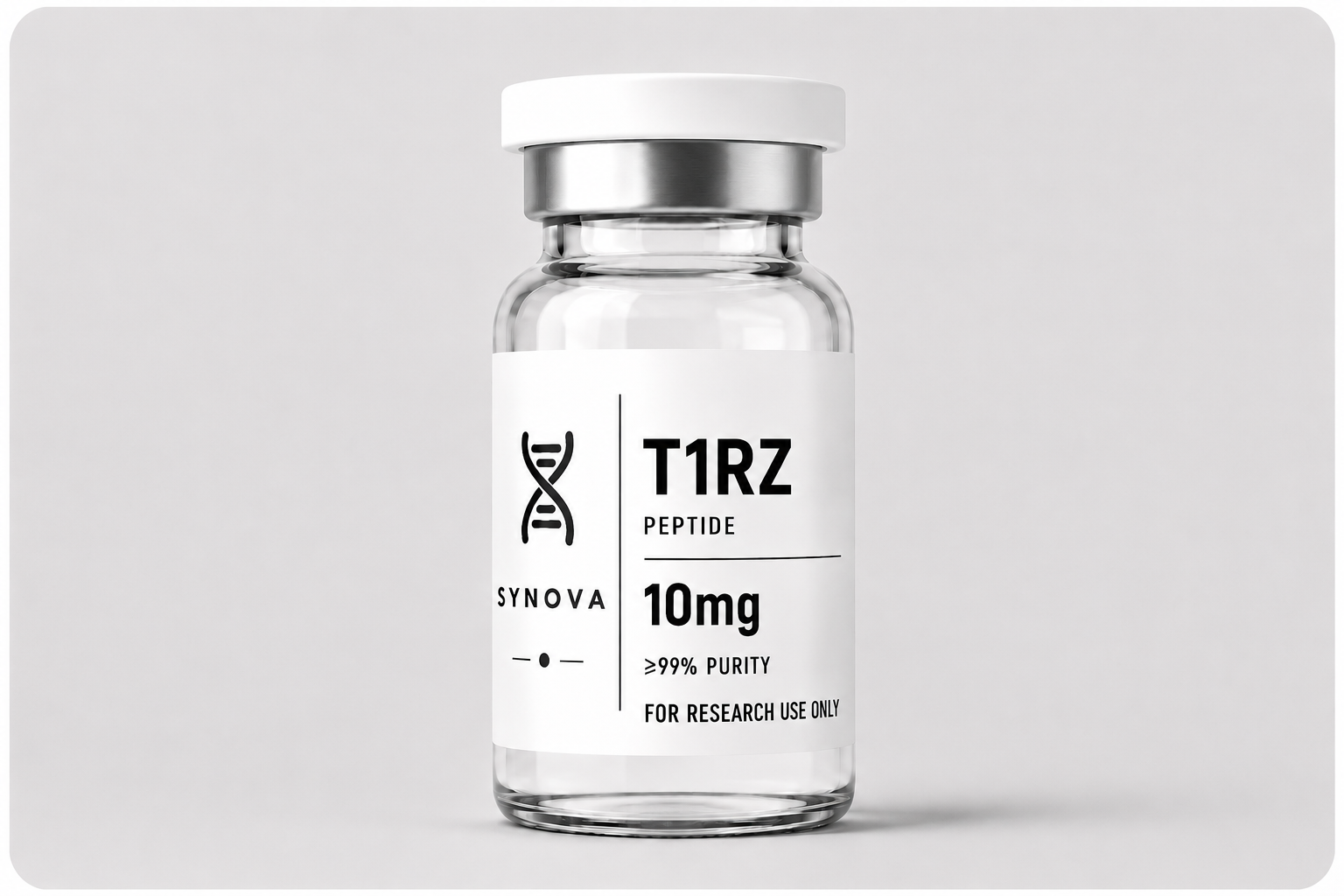
T1RZ
Dual GLP-1 and GIP receptor agonist studied in preclinical models for glucose regulation, insulin sensitivity and energy balance.
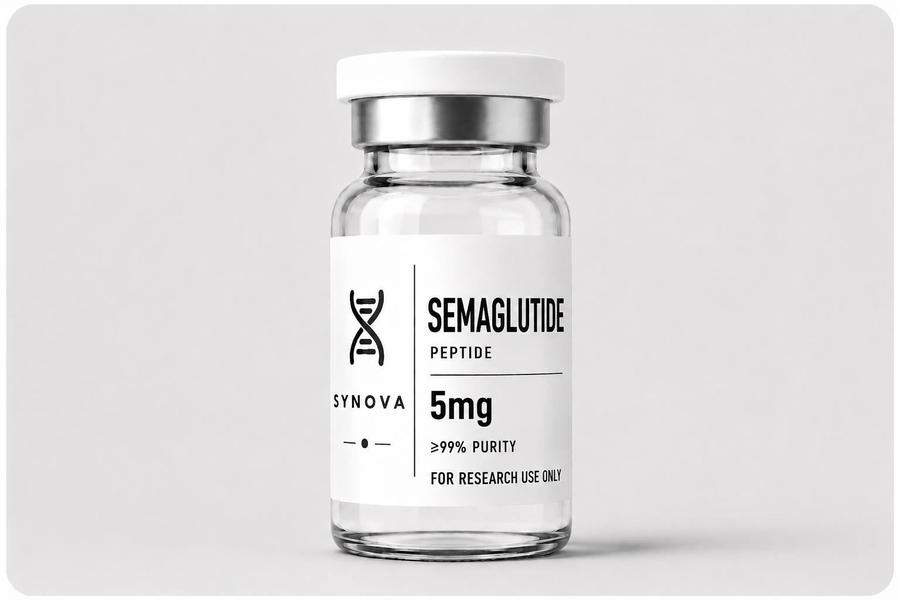
Semaglutide
Synthetic analogue of the GLP-1 hormone used in research to study glucose regulation, insulin secretion and the incretin response.