
⸺ Synova Research
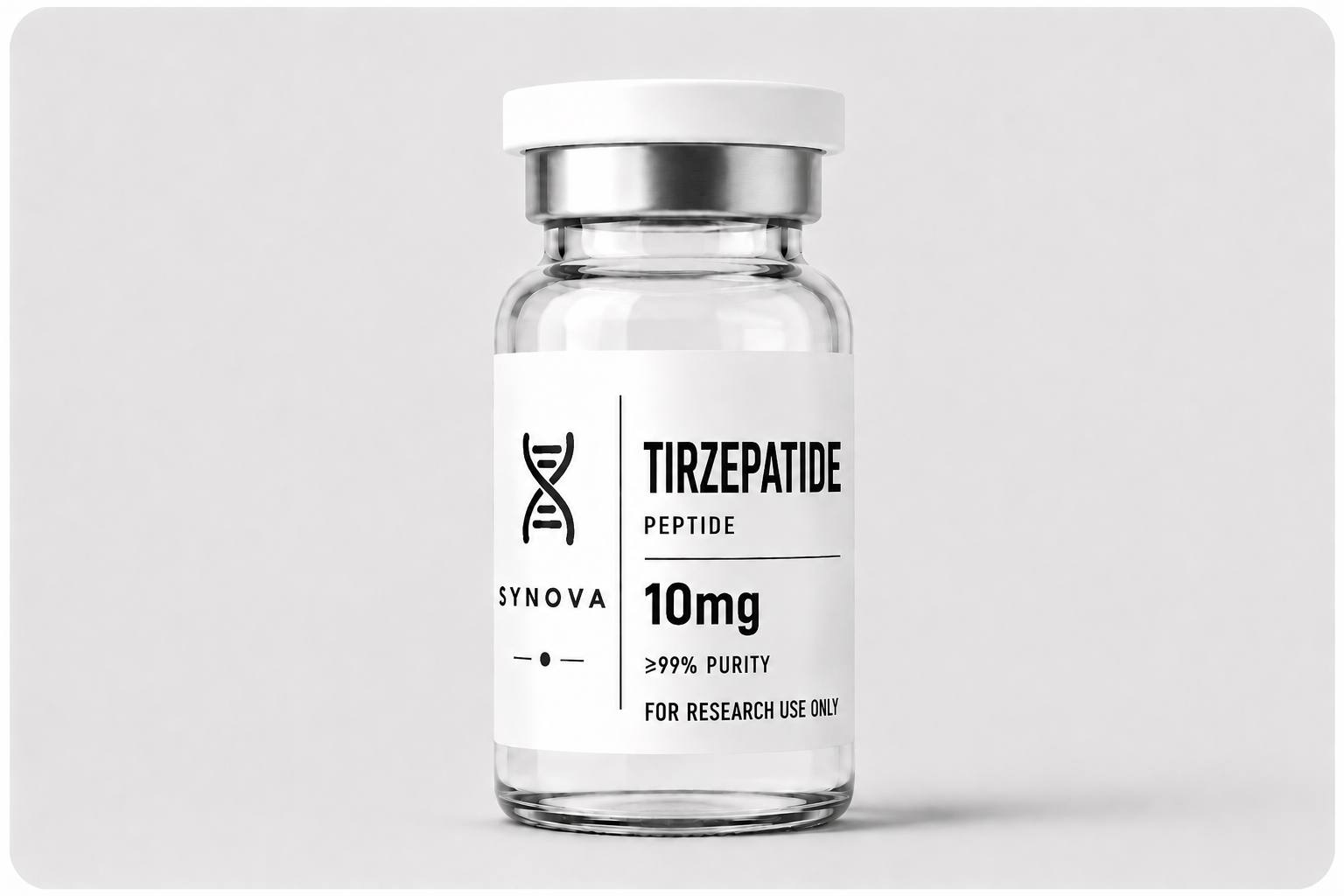
Tirzepatide
Dual GLP-1 and GIP receptor agonist studied in preclinical models for glucose regulation, insulin sensitivity and energy balance.
Website checkout coming soon — for now, orders are placed directly via our Telegram. Fast replies & secure payment links.
Independently tested
COA on request
Next-day UK dispatch
Order before 2pm
Research use only
Not for human consumption
⸺ Important
- • Bacteriostatic water not included
- • Syringes not included
- • Peptides sold in lyophilized form
- • Strictly for laboratory research
⸺ Overview
About Tirzepatide
Tirzepatide is a synthetic peptide that simultaneously engages two incretin receptors — GLP-1 and GIP. It is widely used in preclinical research investigating combined incretin signalling, appetite regulation and glucose handling.
⸺ Mechanism of Action
How it works
By binding both GLP-1 and GIP receptors, Tirzepatide amplifies the natural incretin response: it promotes glucose-dependent insulin release from the pancreas, slows gastric emptying and reduces appetite signalling in animal studies. The dual-receptor profile is the focus of much current metabolic research.
⸺ Research
Areas of study
Insulin sensitivity in rodents
Studies in obese rodents show improved insulin sensitivity and glucose tolerance following Tirzepatide administration relative to single-receptor agonists.
Appetite and energy balance
Animal research indicates reduced food intake and altered energy expenditure, supporting investigation into combined GLP-1/GIP pathways for body-composition studies.
Lipid metabolism
Preclinical work has reported changes in circulating lipid markers, motivating further study of incretin co-agonism in metabolic disease models.
Summarised from preclinical literature for informational purposes only. Not medical or veterinary advice. Synova Research products are sold strictly for in-vitro and laboratory research.
⸺ Details
Specification
- CAS
- 2023788-19-2
- Intended use
- For research purposes only. Requires reconstitution with bacteriostatic water (sold separately).
- Storage
- Store lyophilised vials cool, dry and out of direct sunlight. Refrigerate at 2–8°C once reconstituted.
- Solubility
- Reconstitute with bacteriostatic water. Vial holds up to 3mL.
- Shelf life
- Lyophilised: up to 24 months stored correctly. Reconstituted: refrigerate and use within 4–6 weeks.
- Handling
- Use sterile technique throughout.
You might also research
View all →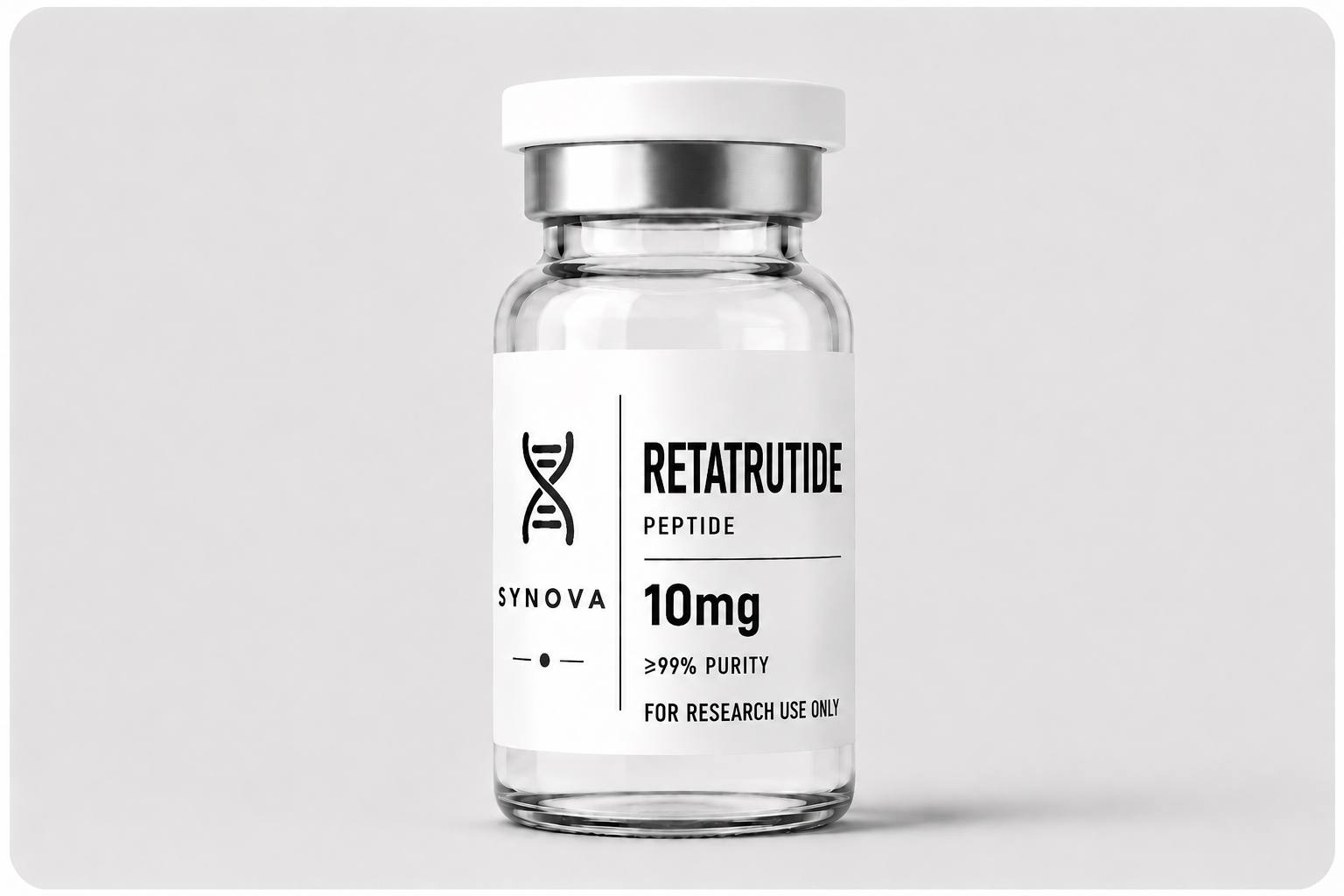
Retatrutide
Investigational triple receptor agonist targeting GLP-1, GIP and glucagon — studied in animal models for appetite control, energy expenditure and glucose balance.
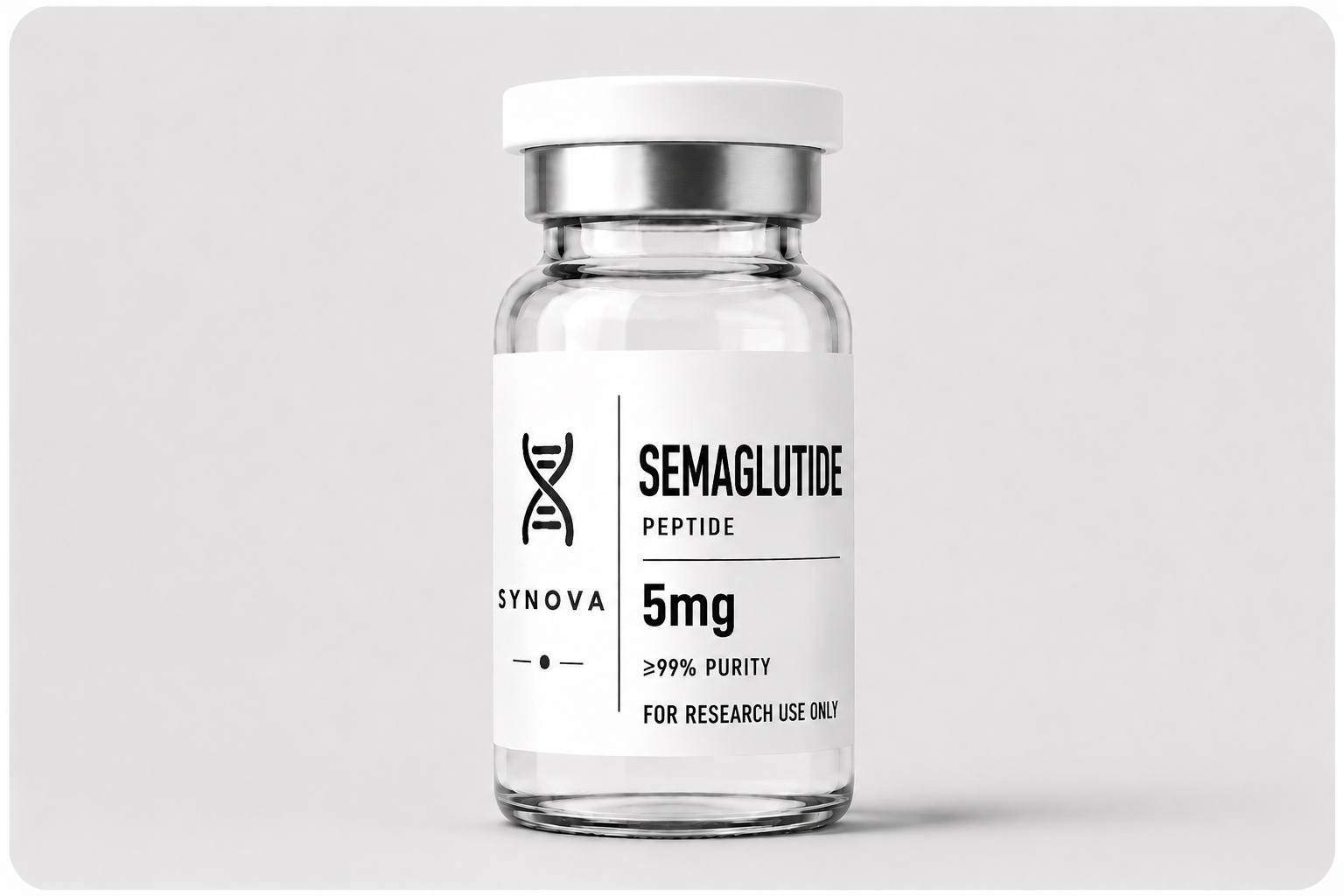
Semaglutide
Synthetic analogue of the GLP-1 hormone used in research to study glucose regulation, insulin secretion and the incretin response.
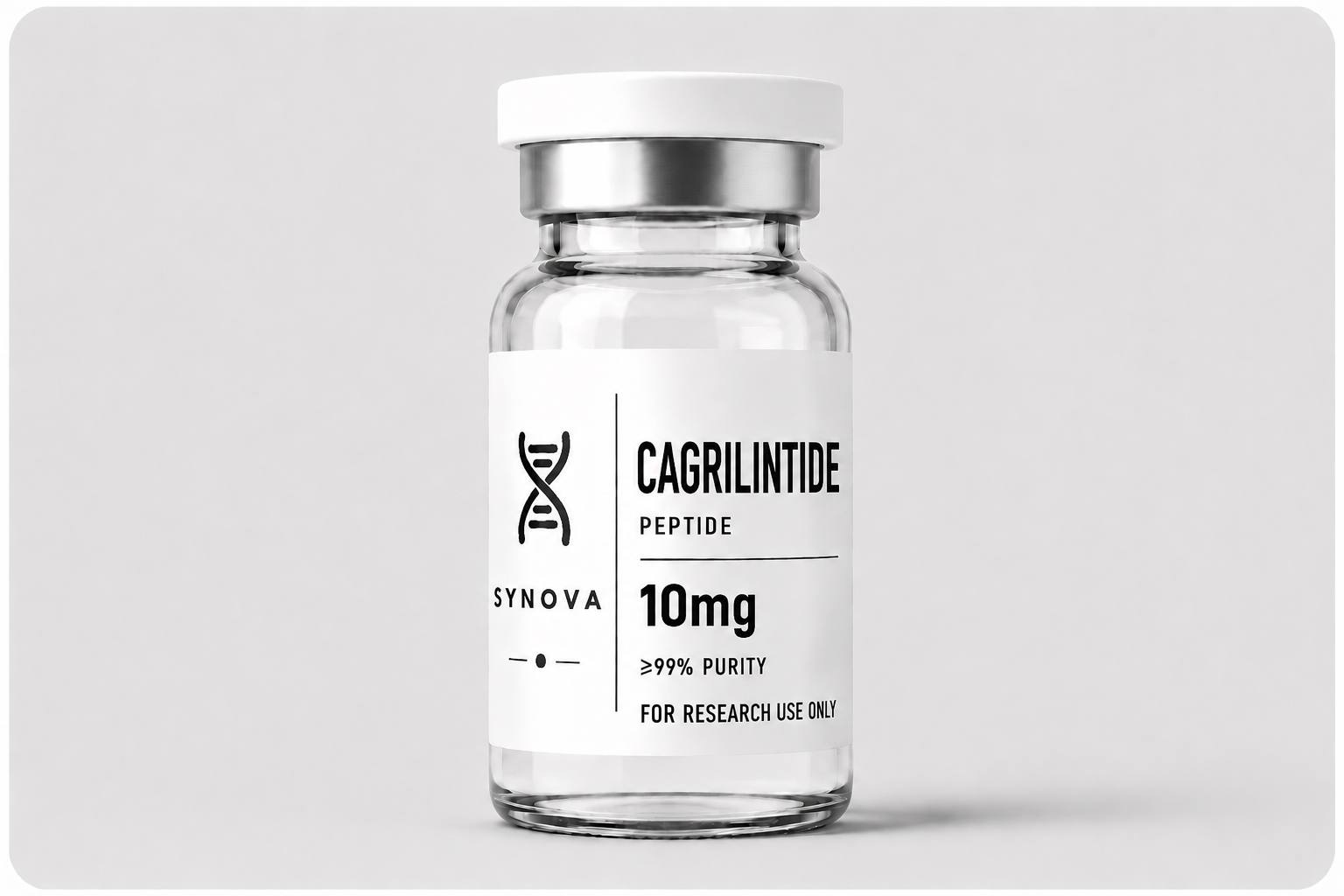
Cagrilintide
Long-acting amylin analogue researched for appetite regulation and weight management, often paired with GLP-1 agonists in metabolic studies.