
⸺ Synova Research
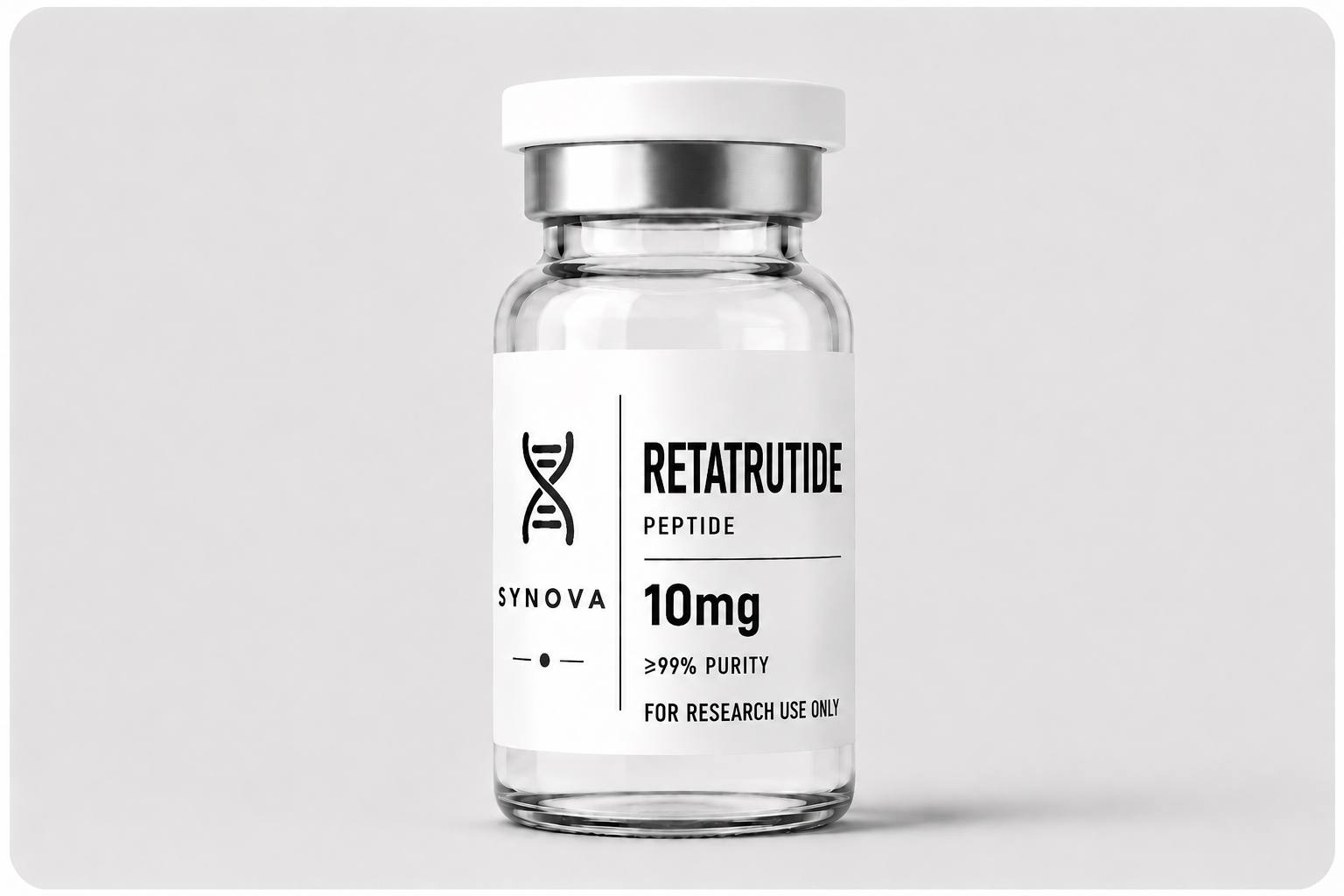
Retatrutide
Investigational triple receptor agonist targeting GLP-1, GIP and glucagon — studied in animal models for appetite control, energy expenditure and glucose balance.
Size
Website checkout coming soon — for now, orders are placed directly via our Telegram. Fast replies & secure payment links.
Independently tested
COA on request
Next-day UK dispatch
Order before 2pm
Research use only
Not for human consumption
⸺ Important
- • Bacteriostatic water not included
- • Syringes not included
- • Peptides sold in lyophilized form
- • Strictly for laboratory research
⸺ Overview
About Retatrutide
Retatrutide is a synthetic peptide investigated for its action across three metabolic receptor pathways simultaneously. Researchers use it in preclinical models to study integrated effects on appetite signalling, energy expenditure, lipid handling and glycaemic control.
⸺ Mechanism of Action
How it works
Retatrutide activates three hormone receptors at once — GLP-1, GIP and glucagon — which together regulate blood sugar, energy use and digestion. The combined signalling promotes insulin release, slows gastric emptying and modifies how the body processes fats and sugars in rodent studies.
⸺ Research
Areas of study
Metabolic effects in rodent models
Animal studies indicate Retatrutide engages multiple hormonal pathways involved in energy regulation, improving metabolic profiles in rodents on high-calorie diets.
Glucose homeostasis in mice
Mouse research suggests Retatrutide enhances insulin sensitivity and stabilises blood glucose levels, supporting further investigation into glycaemic control mechanisms.
Liver function in rats
In rat models, Retatrutide has been associated with improved liver enzyme markers and reduced hepatic fat accumulation under metabolic stress.
Summarised from preclinical literature for informational purposes only. Not medical or veterinary advice. Synova Research products are sold strictly for in-vitro and laboratory research.
⸺ Details
Specification
- CAS
- 2381089-83-2
- Intended use
- For research purposes only. Requires reconstitution with bacteriostatic water (sold separately).
- Storage
- Store the lyophilised vial in a cool, dry place away from direct sunlight. Once reconstituted, refrigerate at 2–8°C.
- Solubility
- Reconstitute with bacteriostatic water for best results. Vial holds up to 3mL.
- Shelf life
- Lyophilised form: up to 24 months when properly stored. Once reconstituted, refrigerate and use within 4–6 weeks.
- Handling
- Use standard sanitisation technique when handling.
You might also research
View all →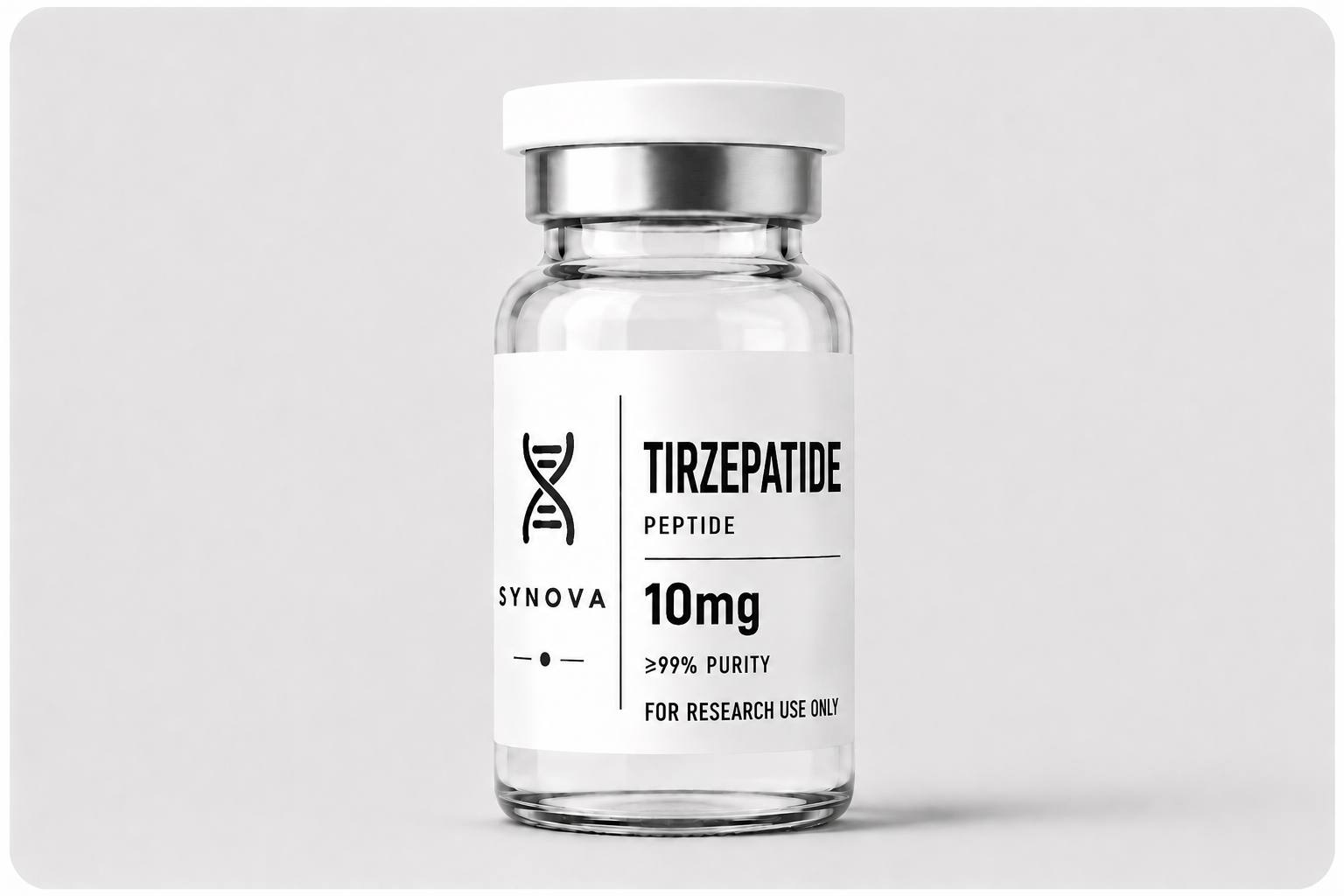
Tirzepatide
Dual GLP-1 and GIP receptor agonist studied in preclinical models for glucose regulation, insulin sensitivity and energy balance.
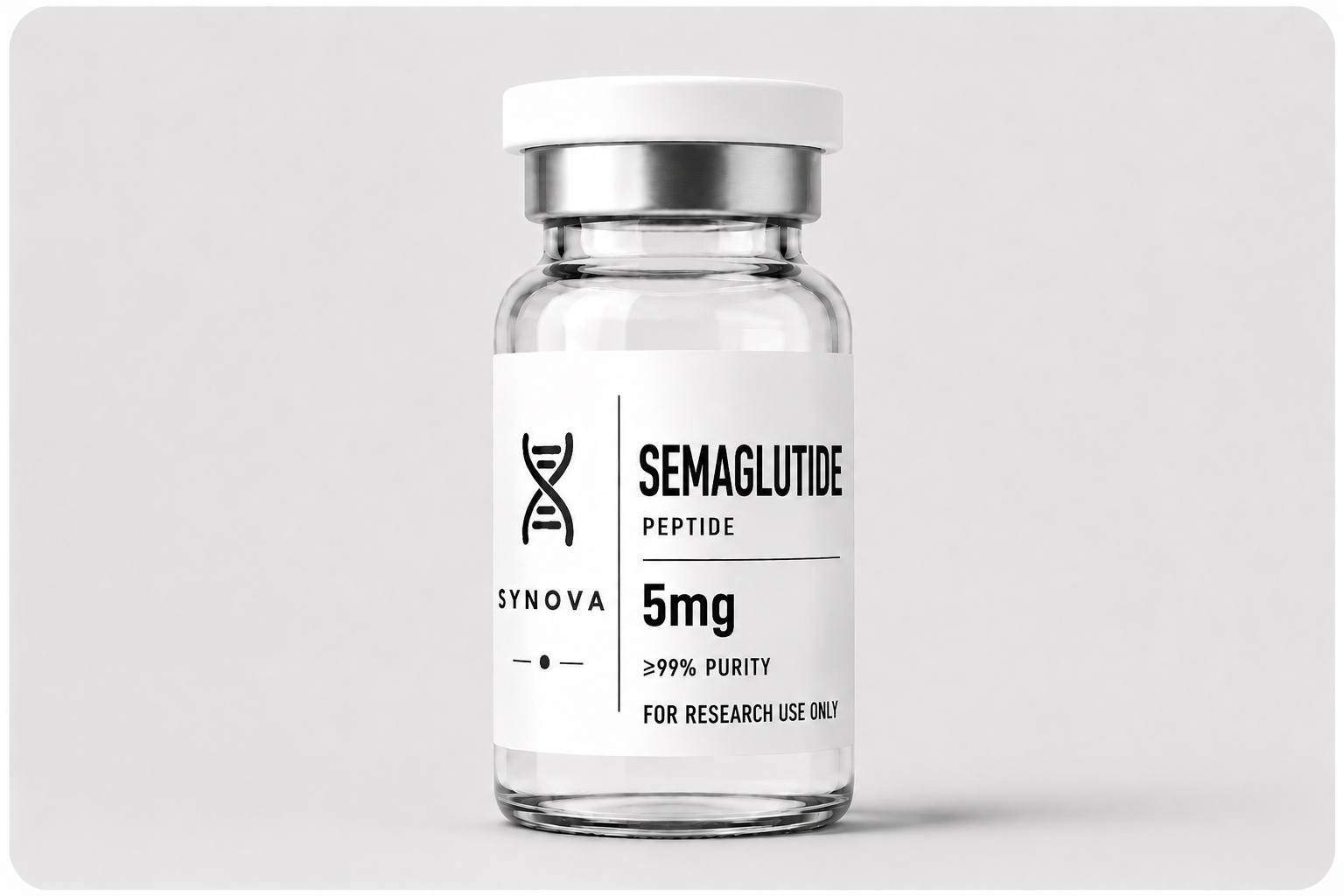
Semaglutide
Synthetic analogue of the GLP-1 hormone used in research to study glucose regulation, insulin secretion and the incretin response.
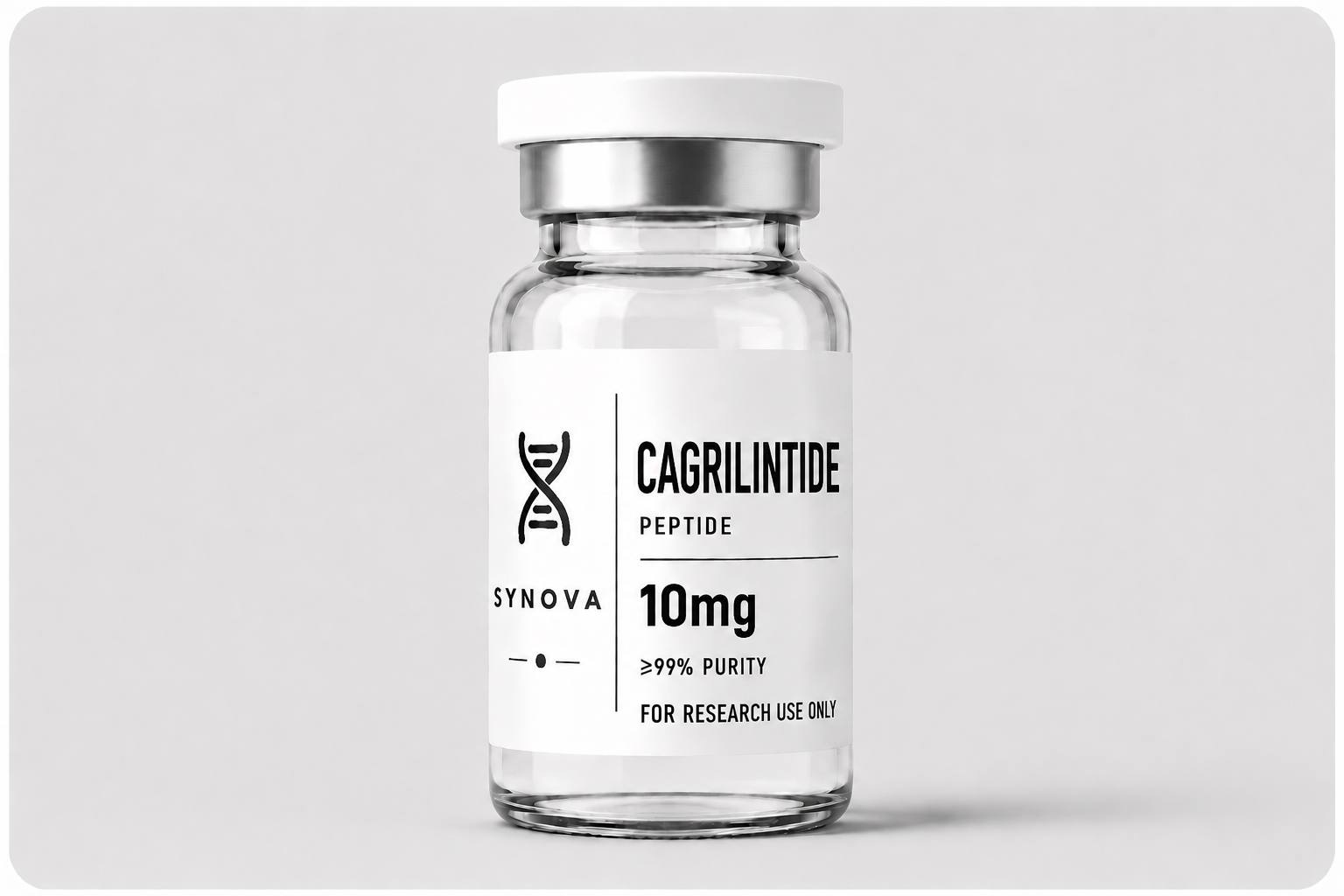
Cagrilintide
Long-acting amylin analogue researched for appetite regulation and weight management, often paired with GLP-1 agonists in metabolic studies.